
Pharmacology Research Institute – Newport Beach

Pharmacology Research Institute – Newport Beach
1601 Dove Street, Suite 290
Newport Beach, CA 92660
Main Office
+1-949-752-7910
Office Hours
Mon: 8AM – 5PM
Tues: 8AM – 5PM
Wed: 8AM – 5PM
Thurs: 8AM – 5PM
Fri: 8AM – 2PM
What We Do
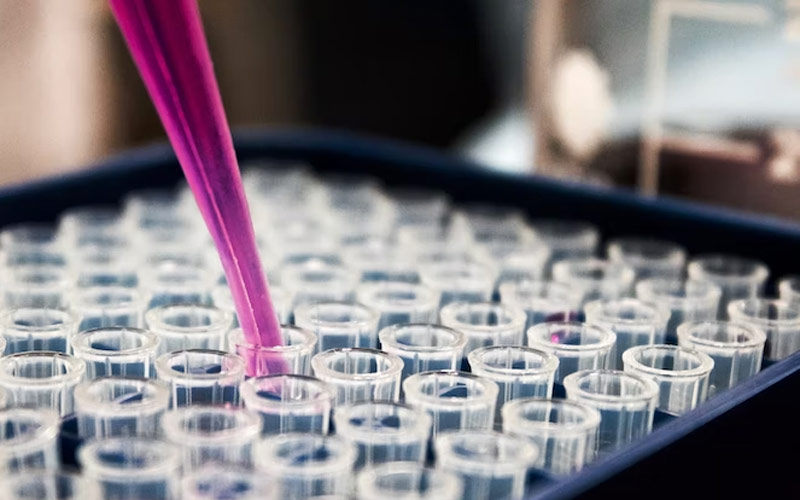
Pharmacology Research Institute (PRI) is a multi-disciplinary clinical research site that brings many years of experience and leadership to the research community. PRI has internationally recognized expertise in pharmacological and multi-dimensional research. Diagnostic categories treated include depression, anxiety, diabetes, insomnia, migraine headaches, mild cognitive impairment, panic disorder, post-traumatic stress disorder, and Alzheimer’s Disease.
Company History
PRI: An Internationally Recognized Organization That May Be Able to Help You – Confidentially – At No Cost to You!
In 1975, the Pharmacology Research Institute [PRI] started as a small “research unit” at the University of California, Irvine. There, we completed a 108-patient study for a company called Upjohn. We conducted our first studies at the UCI Medical Center, the Long Beach Veterans Administration Medical Center, the UCI Campus and in private office space, in Newport Beach. Back in the 1970s relatively few academic departments embraced the challenges associated with the conduct of well-controlled, carefully monitored, highly-regulated clinical trials; nonetheless, our team found the task to be professionally rewarding and personally gratifying. It was in the 1970s when the potential for improving the quality of life for people, with safer and more effective medicines, began to be fully recognized. We have always been excited to be positioned on the leading edge! Our goal was to provide study participants with a research experience that benefited them personally and made them proud that their participation could prove beneficial to millions of other people as well.
It was our vision to distinguish ourselves as a research team in a number of ways that would benefit patients, while generating valid and reliable scientific data. It was then, and remains today, our firm belief that the best way to conduct research studies is to treat people in the same manner as we would wish to be treated: specifically, with the receptiveness of the public sector and the responsiveness of the private sector. In order to provide patients with the best “old fashioned,” hands-on, operational model, we set out to avoid the large assembly-line approach, choosing instead to have a “primary care model,” whereby patients would be seen by board-certified physicians, masters degreed nurse practitioners and clinical nurse specialists. We grew in both size and experience throughout the 1970s, and successfully completed large inpatient and outpatient trials, ranging from Phase I [“first time in man”] through Phase IV [post-marketing surveillance] studies. It was during these years when we began to recognize the potential benefits associated with working as an independent research organization, while maintaining our intellectual ties to the University. Ultimately, we determined that we could be more responsive to the needs of our patients [as well as our grant sponsors] by becoming independent and fostering substantive collaborative relationships with several Universities.
Shortly thereafter, because of our recognized expertise in the conduct of Alzheimer’s trials, PRI was awarded a grant to conduct the largest single-center Alzheimer’s study ever awarded [at that time] to an independent research Institute in the United States. We immediately opened our second office in Long Beach and four years later a third office was opened in the San Fernando Valley. Over the past 40+ years thousands of patients have participated in well over 800 scientific studies at PRI. The results of PRI’s studies have been cited in hundreds of scientific publications and presented at scientific meetings in Asia, Australia, Canada, the Caribbean, Mexico and throughout the United States. PRI’s internationally recognized expertise consistently places our Institute in a leadership position.
The diagnostic categories treated have included adult attention deficit hyperactivity disorders (ADD/ADHD), age-associated memory impairment, Alzheimer’s disease, anxiety, arthritis, cataracts, consumptive disorders, depression, diabetes, fibromyalgia, glaucoma, hypertension, insomnia, intermittent claudication, migraine headaches, mild cognitive impairment, multiple sclerosis, nicotine addiction (smoking cessation), obesity, obsessive compulsive disorder, pain, panic disorder, post-traumatic stress disorder, persistent developmental stuttering, presenile dementia, prodromal-Alzheimer’s disease, social anxiety disorder, ulcers and vascular dementia. Over the past 40+ years, many of the medicines that were evaluated at PRI have “come to market” and continue to prove beneficial to millions of people. Some of the more familiar medicines include treatments for Alzheimer’s disease [Aricept, Exelon, Namenda and Reminyl], anxiety [BuSpar, Effexor and Xanax], depression [Cymbalta, Paxil and Viibryd] and migraine headaches [Imitrex, Maxalt and Zomig]. This, of course, is just a very brief sample list of the medications and medical illnesses we have had the privilege to have been involved with since 1975.
We are grateful to the thousands of study participants, caregivers, referring health care professionals, family members and friends who have so strongly supported our research programs. We remain clearly focused on directing our professional energies toward medical advancements, which translate into meaningful improvements in the quality of life for millions of people around the world!

Our Location

We conduct clinical research trials to advance health.
There are lots of reasons to participate in a medical study.
Browse and apply for a study today!